Episode Transcript
[00:00:00] Speaker A: Your voice, your community station. You are listening to IPL Radio.
Hello and welcome to the Mentally Healthy Podcast. My name is Tris and today I'm being joined by Dean.
How you going?
[00:00:17] Speaker B: Good, thank you, Tris. Hey, mate. It's, yeah, it's a blast to be back in the studio again and a very powerful time to be in here.
[00:00:28] Speaker A: You worked with IPL a few years ago with your daughter.
[00:00:30] Speaker B: That's right, yeah. We, we very much enjoyed doing a Saturday morning show and things moved on and the daughter had busy writing books on Australian music and hence why she hadn't been back. So let her do that.
[00:00:44] Speaker A: But she's been busy and she's only what, 15?
[00:00:48] Speaker B: Not 15 quite yet, but yet is into everything. So 60s music. It is incredible, her music, knowledge of Australian music history all through the Albert history and the studio's history and, and what have you.
[00:01:04] Speaker A: Yeah, we'll have a minute to come back and do an interview.
[00:01:07] Speaker B: Yeah, I think so too.
[00:01:09] Speaker A: Today's interview is we're going to be sharing stuff that you've, you know, gone through in your journey and just for anyone listening, it may be a trigger. So please, if you are feeling triggered, just call Lifeline on 13, 11, 14 or any other suicide prevention line wherever you are. Because obviously people might be, not just be listening in Australia, you might listen to America or Iceland even.
So, yeah, just call your local provider. So we are going to be talking about some difficult topics.
Do you want to just start with your early life? So you're not obviously from Australia?
[00:01:44] Speaker B: Well, it's funny you say that, but I actually am. I, I was born in Queensland and obviously you hear me accent. People, oh, Kiwa go, no, no, Australia. Well, whereabouts are you born? I said Queensland. They go, oh, that's worse.
Oh yeah, Queensland had a very hardened Australian father and went to NZ at a early age. Wasn't quite one year old when my mother inherited her mother's house.
So we all went over there, all six of us kids and both parents and went over there to grow up and sort of growing up, the parents had split up. All I can still remember in the early 70s there was a, you know, a table, three of us kids each side and mum and dad each end. And I can still remember the yelling and, and the arguments. That's all I knew.
[00:02:41] Speaker A: Becomes quite toxic after all.
[00:02:44] Speaker B: Yeah, and it certainly did. And as life went on Trismate, I'd started sort of having struggles. I started working for my father in the school holidays on his fishing boat. I love fishing and I love the Ocean and what have you. But then what was happening is my father was obviously had been through something and he was very aggressive in the sense of where you do something wrong, could just absolutely lose the plot. You've got this great big man yelling and swearing at you and his face shaking and going red and all. So that, that traumatized the crap out of me and I, I didn't realize for a long time it. Until the wife and I shifted over here to Australia, what I was living with. And it was. I was actually quite shocked what I was suffering and how long I suffered it for.
[00:03:45] Speaker A: Yeah. But so, so
[00:03:49] Speaker B: difficult
[00:03:52] Speaker A: childhood.
[00:03:53] Speaker B: Yep.
[00:03:53] Speaker A: In New Zealand.
And then what happened after that. So when you left school, did you stay in New Zealand?
[00:04:01] Speaker B: Yeah. What had happened? Mate, I, you know, as a lad, you, you know, I tend to think that you automatically sort of love your dad. Kids are born to love you. And then I'd. I love me dad, but I was absolutely terrified of him. And I was forever in trouble at school. I was a talented musician in school orchestra. I was in the local brass band for five years.
And then, mate, I did with the trouble at school, mate, Mum just sort of, yeah, gotta get a job, get out. You know, Mum brought six of us up by herself. Yeah. And so the only sort of thing was for me to go fishing, you know, with the old man. And I was sort of shaking, sort of quivering a bit now about it, thinking, mate. And I thought, crikey. And then, mate, I still remember I was sitting on the edge of the bed and there was a bang on the door. And then there was an absolute legend by the name of Jim Jobe. He invented a trough valve in New Zealand.
Jim passed away quite a few years ago and made heed, said to my mum, I heard Dean's going to be going working for his father.
And yeah, he said, well, look, I could do with someone handy down the workshop.
And so I got a job down there for the interview. We'd known each other for years. I was on the local brass and with his son, went through school with and what have you. So, yeah, that rolled into a job which rolled into apprenticeship. I was absolutely crap at schoolwork because, mate, I couldn't concentrate. I think the biggest thing, mate, was being ADHD and not knowing that either
[00:05:41] Speaker A: thing. Right.
[00:05:43] Speaker B: That amongst all that. But then when I started having trouble, mate was, yeah, I just, heck, trying to sort of think what it really kicked in. I think the hardest thing was like I was hitting the booze hard. I. I got out of my apprenticeship and I I started working around different areas and then what had happened? I'd. I was unemployed for a while and then I was living in a. In the back of a shed, a little shed out the back. And there was a party there one night and everyone knew each other and.
And then one of the local guys there that everyone knows, his wallet was on the ground there and all his cash was gone out of it and everyone knew each other. So that inspired me. I've had enough of this town. I got out in hitchhike and I got a job sandblasting. And then I'd done that for one year in a place down in Tokaroa nz. And then I got onto another job in Taupo doing the same thing. So I shifted down there. I'd. I'd had myself an old school bus that I was living in. Used to park me Harley in the back, mate. And yeah, started enjoying the job. But then mate, I. I had trouble for years, even with the other job and everywhere else of actually trying to fit in. I was very scared a lot. Very found that I'm very nervous and yeah, so what had happened is I'd just got really fed up with. With everything. Everything. I just.
Just felt so bloody uncomfortable with life. Even though I looked around.
[00:07:16] Speaker A: Interest in everything.
[00:07:17] Speaker B: Oh yeah. I just was so uncomfortable. I was shaking like hell and I thought life is crap, you know. And I still remember it clearly. I was sitting on the couch, made a little couch on the. On the bus, looking at tv and I thought it, I've had enough. We'd. We'd just moved into a.
A new workshop and which was fortunate because it was still, you know, stuff was everywhere and look back at this. I got up off. Off the little couch thing and I turned the TV off because I didn't want to leave that running and make the, you know, boss's power will go up anymore unless the cerecause of any trouble. I'd. Mate, I'd. I'd walk down to the shed, one of the sheds and I thought, bugger, I'm in this. I'm gonna go, I'm gonna get a rope. I'm gonna. I'm going to string myself up. I knew it was down there. We had a log skitter. We used to do logging material and
[00:08:09] Speaker A: machinery deteriorated quite a long.
[00:08:11] Speaker B: Yeah.
[00:08:12] Speaker A: Did you feel it deteriorating or did
[00:08:14] Speaker B: it just hit you, mate? No, it. My life was uncomfortable for so long, you know. And it's got to the stage I think Chris made is because it had gone on for so long. I Thought this, this is, this is crap. This is what? This is life.
[00:08:28] Speaker A: And you're with Joe?
[00:08:30] Speaker B: No, no, I was still. I was a single hairy bogan in those days, mate. Skidding. Yeah, skidding up a Harley Davidson. Yep.
And how I'm still alive is incredible how I got through that era. But getting down to the biggest reality check of life. I went down to the, the workshop and opened the door and yet log skid I thought, right, oh yeah, I'll just chuck a rope up over that beam and oh, walking up and down looking for opening. Oh, where the hell does buddy put the rope in?
And then bang. It was like the, like the biggest shock of all. All time it had.
I'd realized I was in there, what I was about to do and geez, did that. Yeah, that. It's. It scared the hell out of me. I think it was. Yeah it was and mate, I just, I rushed out the workshop, I shut the door, I got the hell out of there. I was shaking. Yeah, I had a hell of a fright.
[00:09:30] Speaker A: Just because you wouldn't find any.
[00:09:31] Speaker B: Yeah, I think, yeah, it was, it was so fortunate that I couldn't find the rope to do the job. It was just like, yeah, I was going to do another job, you know, I'm very practically minded being fit of welder by trade and so yeah, that, jeez, it scared the hell out of me and I got out of there and I just went back up to my bus shaking and I thought no, just because since I felt that I couldn't fit in with anyone, you know, out socialising, I, you know, had some mates over in another town over in, in the Bay of Plenty and I got, got onto a job through then and I, and I moved, moved up there and totally new bunch of people, better environment.
It changed my life. Yeah, I was out of what was a, you know, swimming around in the spirits bottle and, and behind a cloud of pot. A very staunch environment with people which, you know, I never, never enjoyed and all of a sudden, yeah, I'm with a lot more pleasant people and things started working better but.
[00:10:39] Speaker A: So just a better environment for you?
[00:10:40] Speaker B: Yeah, yeah I had mate. I always struggled in the sense of getting into relationships because I'd felt that getting, I was too scared at times like of being vulnerable or of, of being yelled and abused in the sense of being humiliated. Cuz that's what my father used to do to me. He'd, he'd yell and go off his nut and say oh he's done such and such while his mates are around, you know, and here all mainly just a little tacker and then so that. That took the world of confidence away from me, you know, so I was too scared to interact and what have you. Like when I got out of my apprenticeship, you know, you know, a few girlfriends on the go there. But then as sort of. I went on and sort of got a bit older and started swimming around and booze and. And pot.
Yeah. Things sort of changed. I think maybe.
I don't know if it was a case of just the bug or whatever you want to call it, that got inside me, started developing and started eating away at me more.
Could be a way of putting it. But I chose to be single because I was having so much trouble trying to socialise with people until.
And what had happened, mate, is then I'd got into commercial fishing and. And I met an absolute legend by the name of Kenny Ledbetter, who absolutely filled the father role for me.
[00:12:14] Speaker A: Yeah.
[00:12:15] Speaker B: And that odd, that peace and peace. Yeah. It's incredible, mate, what I. What I found that since I had such a.
An unlucky run with my father, I didn't have a relationship that what I wanted like automatically, always, forever looking for that missing piece of the jigsaw puzzle. And I've always warmed to the fatherly figures, you know, and.
And that this was a relationship that just kicked off.
[00:12:43] Speaker A: Your voice, your community station. You are listening to IPL radio.
[00:12:50] Speaker B: I got back on. We got back on track and mate, I was back into work and. Yee haw. We're all again. And then we're. We're back on the pregnancy training again and after the. The massive level of. Of disappointment and recovering from the trauma of. Of that and how that affected me then, the high that I was on this run. Yeah, it's gonna happen this time. Yeah. I can still remember doing stuff at work, mate. I was on cloud nine big time, you know.
Heck, yeah. Yeah, we're through it. We're through it. And then it got struck out again. It happened again and it was pretty shaky one that time. There was.
Yeah. Lucky to.
Yeah. Had the wife come out of that one too. So that was.
That was horrific. And it. And then you've got the pendulum effect of it swinging down like the old clock handle going down the 3 o', clock, you know, on the datum swing right down below.
Below it, you know. So you've basically got the opposite of the excitement down into the bottom end of the trauma and everything. So then that was. Mate, I can't explain how things were for me.
I had my sister who was living over here at the time come around once and obviously she was so disappointed because she was looking forward to being an auntie and I just tried to, tried to talk and that ended up in an argument and all that. So I couldn't even communicate with my wife, sister, nothing, everything. I needed to work but I was so psychologically smashed up in trauma. I remember going back to work once. I was parking the car. I was marine engineering at the time and wanting to go into the workshop, but massive panic attack in the car park. I suffered panic attacks for years.
So anyway, I, yeah, I sort of started spinning around there. Hang on now, I'll fix this before I've got counseling help. I'm, I'm going back, I'm going to get some more help. So I rang up again.
[00:15:04] Speaker A: Did you go back to the same piece?
[00:15:06] Speaker B: Exactly. Same place, mate, yeah. And unloading again. And then, yeah, the men's group got into a men's group, mate. And you know, I see, you know, growing men in there absolutely shattered. And I was feeling for them so much, hearing their stories, because it wasn't just, you know, losing kids at the stage we did, you know, these guys, you know, losing kids, you know, that are a few years old and stuff, you know, seven year old and remember that story. And then so I started talking and sharing a bit of my stories and what have you still hadn't opened up about the suicidal side of things that I suffered.
[00:15:50] Speaker A: Just keeping it into yourself.
[00:15:51] Speaker B: Yeah, Yep. And mate, I'd started sharing experiences with these guys and then I started seeing these guys, their face was starting to change in the sense of, you could see the stress come out of their eyes and a little bit of a smirk in their face. And I'm thinking, geez, that's unreal.
And this is working, you know, people are, this is helping people. And I went back and I thought, geez, you know, I said to the wife, I said, honey, I was yacking there, sharing stories and guys were healing, I could see the stress come out of their face.
And she said, well, you should go back and, and you know, do more of it. And I, you know, you're bloody right. And so I went back and it was more of helping other guys out, getting through and it was so healing. And I had, was going there for quite a few months and I'd got to the stage where I had, I was on track and going back there all the time helping guys out was sort of starting to be a bit of a trailer for me in the sense of it was putting me in that environment again of loss.
[00:17:13] Speaker A: Yeah.
[00:17:13] Speaker B: And I wanted to step out of it and I think I've, you know, I think I've done my dash here and on, you know. And anyway, so moved on but.
And then crikey, mate, going on again with the. Had a lot of site trouble and stuff over the years.
Spoke to a lot of counselors and still hadn't opened up about what I tried to do back in 1992 until what had happened. I'd was working with a mate, marine engineering. We're in engine rooms of boats together and crawling all over the things and got to know each other pretty well and he was one for. For mental health, you know. So he was the one for that. Yeah, he was known for. Yep. Speaking about it and then.
So we. We'd got along well and I'd obviously hadn't mentioned too much about things and we had later on he moved on to another job and then he had lost a mate through a work accident and was there when it happened and he was a very good mate of his and he came through where I was working at the time after it and unloaded and could see he was thinking, geez, he's just so shocked.
He's wearing what I was when I went through trauma and. And listened to him and just, you know, tried to comfort him in the sense that he was bouncing off the walls going around and.
[00:18:52] Speaker A: Was that helping your mental health and
[00:18:54] Speaker B: by helping him, mate? Yeah, yeah, because I. I think mate, it was more of the sense because being as practically minded as I am, I'm very versatile with trade and always wants a. Hey mate, I can help you fix that. Yeah. Yep. And this. So this was something that. Because yep. I've been through the, the experience of sort of trauma stuff and yeah by.
I was so concerned about him and then I was off home crook one day and he had rang up and we spoke on the phone for. For over an hour. I let. He was unwinding. He explained to me every single step of what had happened and to carry on. And then I, you know, started mentioning about the, the counseling and stuff of the trauma we lived through, like trying to get kids on the scene and. And everything else, a traumatic childhood and blah, blah, blah. And so it was, you know, he was lightning lightening up on the phone and yakking and he was looking forward to coming down and checking out the house which we just, you know, it built and, and I was at work and the thing. One of the. One of the Other workmates brings out a newspaper and he'd gone missing.
Yeah, he drove, he drove out of town, mate, he didn't come back.
You know, I'd message, you know, hey, et, phone home. Yeah, and that, that, geez, did that affect me? I've lost quite a few mates to suicide over the years. I'm a younger, like teenage, early 20s like that.
And would this be one that probably affected you more? Yeah, and mate, I, I don't know why, why it. It was whether it's an age thing or just a collection of sort of being. Being through a, you know, some unpleasant things and, and what have you, but it was so close to home because we, we spoke about, about it and he was the one for yakin and, you know, I'd, you know, fortunate enough to have very good close mates nearby. Two brothers and I went down there and, and was, you know, had had a few beers and then, mate, I'd sort of. Nah, I just need to escape, mate. And I went up to the bottle shop and got. Got the biggest bottle of Jagermeister I could get and yeah, straight on ice and mate, and that was.
I gave up drinking spirits when my son was born and that was the commitment.
Oh, yeah, I might have the odd can or something, but I've never gone and bought it again. No, that was it. I threw it away then.
[00:21:48] Speaker A: How long ago was that?
[00:21:49] Speaker B: Gee whiz, 19 going on 20 years. Wow.
[00:21:53] Speaker A: Yeah, that's a huge achievement in itself, isn't it?
[00:21:55] Speaker B: Yeah, it was, it was an important one because I didn't want to go back into that level of drinking again because it, it would have killed me and it could have easily done something dumb and maybe hurted someone else. But you can imagine the traumatic effect of, oh, yeah, old man went out and he just got totally wasted and just tripped up, fell over dead. And that sort of stuff happens.
[00:22:17] Speaker A: But it sounds, especially in your early days, the alcohol was your go to.
[00:22:23] Speaker B: It was comfort zone, mate. It was the escape, you know, and a lot of people have got that nowadays, obviously with, you know, drugs and what have you. And then especially you've got all these bloody economic climate and everything going on. The world's really tough place. But anyway, yeah, and by the time I got home, mate, all the time I was walking into the house, the booze started kicking in and looking at the wife and I just said, oh, I'm just, I'm battling. I was just like, yeah, she slept down on the couch and I just woke up in the morning on the, on the Toilet floor.
And yeah, and what I was. Geez, I was a mess. I could not believe how hard it had smashed me up. And I reached out to the suicide helpline and that.
I was amazed at how much that spun me around.
I spoke to a lady, I can't remember her name and it was so healing but mate, I was so blown away. I've, you know, lost a lot of mates through car and bike accidents over the years and bits and pieces, but this, at this stage, yeah, how it affected me, mate, I. I cannot explain, but it was this. The most horrific thing that had hit me to date, I think with. In the sense of losing, you know, someone, the suicide.
[00:23:43] Speaker A: Because you had conversations around health and
[00:23:46] Speaker B: he was open about it, mate, I, I think so because it was so close to home and, you know, it's like we're yakking here and now about it. It's like conversations, you know, I have talk, you know, with the Black Dog family about.
And yeah, it was so hard losing a mate that, you know, unexplainable and I, I feel so much for families out there that, that have. Have lost, you know, loved ones and people and yeah, heck, I reached out, I had to reach out and get help because I was. What I was suffering was uncontrollable and I was bloody scared how I was going to react. I didn't know what I, you know, what I'm going to go and do something. Is a. Is it going to come and get me? Am I. Am I going to. Is this, you know, the, the suicide thing going to come back and haunt me again? Is it going to happen this time?
And yeah, I'd. I opened up on the, on the help line about my attempt at suicide in, in 92 and the first time
[00:24:57] Speaker A: that you talked about that.
[00:24:59] Speaker B: Yeah, yeah, obviously I spoke to the wife, you know, through the years about it, but I hadn't mentioned anything to the kids. I'd.
I had, yeah, opened up to the daughter Friday night about it.
[00:25:11] Speaker A: Oh, just gone.
[00:25:12] Speaker B: Yeah. And you know, how, you know, was, you know, and then to, you know, get the news while having the corn, a coffee in the morning, Abbas 6, that my legend, the mentor in life had passed. It was just like, well, what's going on in life? It's just incredible. So now is the perfect time to. Mate, I want to save lives.
I'm sharing my story because I don't want other people to go through the trauma and the hell that I've gone through for that amount of years because I chose to. To bottle it up and, and to swim around and grog and, and not
[00:25:53] Speaker A: very common coping strategy in particular, isn't it?
[00:25:56] Speaker B: Bloke's typical thing, mate. He's, he's seen as the, the support network for his family and everything. Yep, yep. You're the one to, to give support and hold everyone up. And I mentioned before, gee whiz, you can only carry so much before your arms. You know.
[00:26:11] Speaker A: He didn't then share with anyone else then. He's just kind of bottling it up like.
[00:26:16] Speaker B: Yeah, I'd.
Mate, it was just, yeah, it was so scary for me but the suicide helpline mate, had, had pulled me through that and got yakking. It was so much help. And then later on I hadn't had a motorcycle for 30 years. You know, busy with family on the road and all that sort of stuff now. So, so lucky. Now we've got two awesome kids.
19 year old boy and a 14 year old daughter and yeah, they, they are fantastic mate.
And the relationship, it's a happy, funny family mate. And it's just like yeah, I've kicked my biggest goal in life that I see kids going to be laughing their heads off where, where I grew up, mate, it was the opposite. Yeah, it was sore and beaten up and crying and a lot to do
[00:27:06] Speaker A: with generational trauma as well. And you know, back in, in the day life was very hard before we, you know to a degree we have it a bit easier I think now then. And there's more openness about mental health back then, you know, didn't share today.
[00:27:21] Speaker B: Mate, you certainly hit the nail on the head with that one Tris because there, there wasn't that then you, you know the, the amount of help that's out there nowadays is, is awesome. It's. It's good. So look, I really want to inspire guys to, to reach out and ask for help because mate, it, it saved my life. And then yeah I got back into motorcycling again.
I was a bit sort of oh concerned about riding a motorbike, you know, Perth Roads. Mate, I feel more safer on a motorbike than I do driving the car.
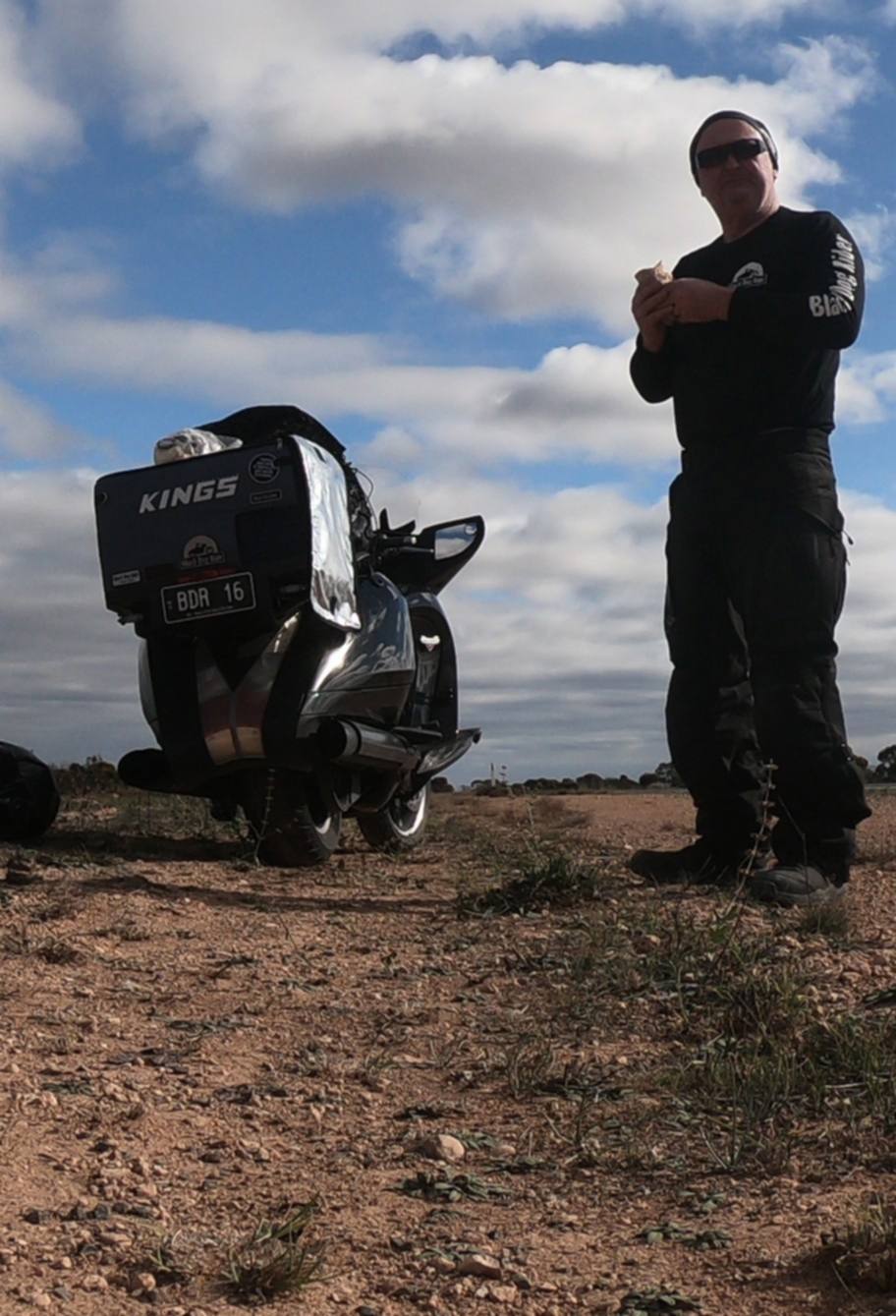
So yeah, I'll. Look, I'd went, I went on a bike ride with some other guys and turned up with a single, a BDR Black dog ride. And it was a one day ride. We went out around the hills in one day and then it was singing about awareness of depression and suicide prevention and geez, that's wow.
Yeah, then I felt such a sense of, of belonging. Yeah this, this is for Me. And so, yeah, I started, you know, volunteering. I'd ran into a legend by the name of John Hitchcock and started volunteering and what have you. I've been.
I think it's just about a year now.
I'd only just sort of opened up to Hitch, but we'd done a run where he'd asked me if I'd like to volunteer and help sell some merchandise up in York, you know, agricultural field days. Hell, yeah. You know. Yeah. Off you gone, mate. You know, got the mean old sludge that drives a truck on Outback Truckers and George watching, that sort of stuff. And, mate, I was there.
Yak. And the motorbike I've got.
It's a bit of an eye opener. It's a very different motorcycle. Especially when I've.
I've got a refrigeration unit. I put on the back of it and do that. And it gets people. People come over and start yakking about the bike and they see all the Black Dog stuff I've got on there and then they start talking about the mental health and the suicide things. And, mate, the conversations. I had one memorable one. There was a guy and his wife and he had some kids here. He'd come up and he'd mentioned about losses that his family had suffered and how he kept off motorcycle because he didn't want to lose his life on a bike and leave his family with the trauma. And we opened up and had a good conversation about, you know, my experiences in the sense of aggression and, like, with anger. I had so much trouble with my anger with the old man was coming out my eye. The only way to explain it was like the throttle spring coming off on a V8 and it's inside your chest and it tightens up and it's like a pain. A lot of people think, oh, yeah, it's just an angry crap. And also an anger is the pain. It's a suffering.
That person that's going through it is suffering a hell of a lot. Like, I'd lose it and backing years ago, then I'll be so upset afterwards because it had taken over.
But getting back to the Black Dog ride and you know, this. Sorry, yeah, this was a conversation that I was having with this guy and he'd. He'd been. And got help, but it was so good. I was reflecting with him about what I've been through and this guy had shared the same thing and same thing. Here comes the magic of his. You can see the stress coming out of his eyes and the face changing. And smiles appearing. And that, mate, is.
It doesn't for me.
[00:31:03] Speaker A: So you found that by being part of Black Dog Ride that you're meeting other guys who maybe have similar experiences, mental health stuff, but that you're finding that that's actually helping your mental health big time, maybe to other people?
[00:31:17] Speaker B: Massively, mate.
You know, I believe, you know, a firm believer of things happen for a reason and was to tell the kids, you know, even when things seem so unpleasant as they are, things happen for a reason. And sometimes it takes a while for the positive to come out.
And this I think is the positive coming out of me now.
You know, I went and had a. Had a meeting with Hitch and some other legends out there about on a. Help organize the state ride around to Cairns later this year and mate, oh, and I cut a, you know, cut it short. I was. I was only, you know, 18, 30 kilometers and 12 months out of where I thought we were going.
All right, so that was. That's another story. It's quite funny. But mate, this is where I. I kick in, you know, it's where Aldino comes along is this is where I feel I belong, where it's time to speak up and to end the. The. Whatever you call the stigmatism. Is it the stigma? Yeah. Of reaching out and getting help. Mate, if. If I didn't reach out and get counseling, I'd have been dead years ago. I wouldn't. Mate, I wouldn't be sharing my story with you. I wouldn't have got to the stage of enjoying life with my wife, getting through all that crap, having two awesome children and mate, yeah, we're on in the. Was in the studio there with Hitch and I'd was pretty shooken up when I got in there as probably people that listened to the show, probably thinking, what. Who's this Dino guy? What. What the hell's going on here? You know. But I'd. It has been quite a.
A tough time for me the last couple of months actually, which is a different story. I don't want to get off track. But yeah, look, there's just a few eggs in the bus at the moment, but it's time to.
It's time to come out of the closet or whatever in the sense. Yeah. Hey, look, I've. I'm a classic example. That's someone that's attempted to take his life because my life was crap and I couldn't see that there was an escape.
[00:33:29] Speaker A: So if someone was listening to this podcast who is in maybe in a similar situation.
[00:33:35] Speaker B: Yep.
[00:33:35] Speaker A: Probably hitting alcohol as a way of coping, you know, other. Other issues. Right.
The best thing is for them to talk about it. Right. So what would you say to that person? Like counseling or just talking to a friend, what would you recommend?
[00:33:50] Speaker B: Mate, opening up is the most important thing.
[00:33:54] Speaker A: Yeah.
[00:33:54] Speaker B: And telling someone to get it. There's. There's so much help out there nowadays.
So many phone numbers that you can call, you know, Beyond Blue. I've spoken to them before. The suicide helpline. You've. You've got the Black Dog institute, mate,
[00:34:12] Speaker A: lifeline 13, 11, 14. And there's also, like you said, the Beyond Blue. There's quite a few even.
[00:34:18] Speaker B: Yeah.
[00:34:18] Speaker A: Just not everyone likes boning that you can text or go online.
[00:34:22] Speaker B: Yeah, yeah, some. Some people, yeah, think that, yeah, you do what's comfortable. And the other thing, too, Tris, is an important one.
What I discovered, and me mate Higgs, that was the inspiration for me to go and get help that saved my life, was, mate, you get to talk to a counsellor and you can't relate to them, go and get another one. And it's what I say to others.
[00:34:46] Speaker A: I guess some people when they're doing counseling, right. Maybe the first time, there just isn't a connection.
And if there isn't a connection, you're not going to open up.
[00:34:57] Speaker B: Exactly right. You got to find someone that. That you can relate to and it's just, you know, and it's fine to say, hey, look, I.
I appreciate you talking to me, but I.
I really. I can't sort of connect with you. I want someone that I feel that I can relate to a bit more. And it seems like when your car breaks down or something like that, you'll go to a garage. Yeah, no worries. You have absolutely no hesitation when the car acts up. Take it a garage, get it fixed, you get a crap job done. What do you do? You don't go back there again, do you? No, no, you're going to find a better mechanic. And I think, same as counseling.
[00:35:29] Speaker A: I think there's too many people that give up with counseling because they have that first session, they don't feel good afterwards or they just don't get on with the person. There just isn't.
[00:35:38] Speaker B: That scares them. And it's exactly right because I've heard of cases of that, mate, I went counselling and it was crap. Look, I had to get some help through work, counselling, phone services. The other day I was out. I got out on my motorbike to just get out of the.
Out of town, mate. On the South west highway. Pulled over into the rest area. Like, yeah, this is a place where I can. Yeah, this is one of the action talking. I was.
It was the second time I called. The last was in the garage at home and.
And yeah, I couldn't relate to these councils.
No, that's crap. And I'll tell you what, the. The best help that I've had, you know, is a legendary John Hitchcock made Hitches. Been there for me for a few weeks once. Once, you know, things sort of started happening, these other events and so he's been a massive help, mate. He's been there on. On the phone for me and called down home and.
Yeah, it's. It's the. It's quite incredible, dad. When I first met Hitch, I thought, you know, I was out on a ride with others out. Oh, geez, he's a big overgrown. He's so why is he so quiet? Yeah, I mean, you know, and then it's so funny, mate, how it's sort of growing and to have.
I've got on board with the Black Dog and there's mate, he. He calls if you. You said, mate, are you interested in volunteering? Yeah, he. He knows it's not a problem. I'm there because, mate, yeah, I certainly want to contribute to fundraising, which I do.
[00:37:08] Speaker A: Yeah.
[00:37:09] Speaker B: By volunteering and raising funds for the Black Dog ride. So.
So guys like myself that struggle can reach out and get counseling because, mate, all that 10 years, when I bottled it up, I'd. I could, you know, I couldn't get help.
[00:37:25] Speaker A: Yeah.
[00:37:26] Speaker B: You know, and there was even times in the early 2000s here in Perth, I ran into a real good psych lady that I got one appointment with through the doctor and she was. She was incredible, you know, explained how, you know, because I was praying about all these thought freight trains going through my head and she said, you know, I said, why am I seeing like bad things or whatever? I see a. A vehicle there and something. And she said, you see the danger and everything. You see, you. You see the risk.
[00:37:58] Speaker A: Yeah.
[00:37:58] Speaker B: And that to me is like, oh, geez.
[00:38:02] Speaker A: Just to hear it just make sense then.
[00:38:04] Speaker B: Oh, yeah. And mate. And this is what. When you.
Mate, motorbikes and cars make funny noises when something's wrong and us humans are the same. And when, when you've made funny noises yourself and gone and seen the mechanic, you know, to, to help you out.
Yeah, that's. It's the same thing as we all make funny noises and we've got a. It's so important that we speak up and Go and get that squeak or that rattle sorted.
[00:38:33] Speaker A: I really like that analogy actually.
So how long have you been with
[00:38:37] Speaker B: Black Dog Ride, mate? Just. I think I'm coming up here just over a year. 25 was the first ride I went on and that's, that's me made. I'd.
As a kid I used to go to bike rallies over in New Zealand. It was a annual one called the Cold Kiwi. I went there in the mid-80s and I saw a bike that. Yeah mate, I want something like that. It was a Harley Electric Glide. Had a stereo, all the big tour pack on it was. I was a mad Harley nut for years. And one day, yeah, because knowing I was born in Aussie, I wanted to ride across Australia.
Okay. So that happened quicker than I thought. I was sort of thinking, yeah, I want to do that. I got the bike, I got out there as a write off. It's a, it's a touring bike and I've you know, modified a few things obviously to put a fridge on it when I go across the country. The, the trip across the country was incredible for me because when you, you turn up on the bike it's, it's such a different bike looking bike. It's a victory vision.
Not only that, when you've got a fridge on the back of.
Creates a bit of attention, mate. You like Elvis Presley. Yeah, it's like, just can't, you know, don't look or sing like him. But my people come up and then they'll see the Black Dog gear that I've, I've got plastered over over it and I'll come out and start talking about the bike, the same thing. And it creates conversations, mate. I had such priceless conversations with strangers going across people coming and open up. Spoke to a lady that lost, lost her brother through suicide and so I, you know, shared my battles that you know, I've just shared with, you know, yourself just now and then I'd went over, over, across to Port Lincoln to, to catch up with my sister who she's. Yeah, I'd spoke to her this morning. So yeah, Mendel House has been a big battle for her. The only girl in a family bullied by boys and that's. Yeah, she'd had a hell of a hard run and how she's still alive.
So it was a relationship that was miles and miles apart for many years and it was just an arguing, fighting thing.
But over the years when her husband passed away, even though we hadn't any contact for years, I'd. Yeah, I asked her I said, do you want to see me?
Yeah, please. So, mate, I just out of work on a plane and didn't hesitate. Hadn't seen her in years. Kids were growing up monsters. And so because I knew she wasn't going to get any help from any other side of the family. So it was the right thing to do and that's. That spun it around. And I really enjoy the thing that, you know, I can ring up and yak to my sister and stuff and we have fun. I've been over and visited so over there and I camped the night on their floor for two nights and shot up the coast, mate. I, I went up to Port Augusta, as they call it, Port Augusta, and caught up with a mate that I'd met through motor racing. We used to be in the same motor racing team together and he is a very seasoned soldier. Once he was off to injuries and as he turned up he'd seen, okay, obviously I'm wearing black dog gear and it's over the bike. And then we, we started yakking about that side of it and that was incredible. Like he's an absolute legend. He's one of these people that go out and, and fight for the country.
Okay. So very. A very seasoned soldier. And he had lost 11 mates to suicide. And the one was just recently, just the other day when I got there and with, you know, things were yakking about processing things like when something sets you off your trigger.
[00:42:38] Speaker A: Yeah.
[00:42:38] Speaker B: You know what I find is like my brain just won't shut down. It'll be at 100 miles an hour for days. And I think, where's the button? What the hell could. You can't switch it off. And then what happens? It absolutely flattens my immune system and then I end up getting crook, getting cold. That's happened so many times through my life.
[00:42:55] Speaker A: You feel when you're in that cycle, you feel that?
[00:42:58] Speaker B: Yeah, I'm, I'm a lot more aware of it now. So what I do, mate, is I make sure I'm putting vitamin C into my body.
[00:43:04] Speaker A: Yeah.
[00:43:06] Speaker B: Fruit baroccas and, and what have you.
Yeah. And make sure. Right. Oh, yep. Starting to make funny noises again. Let's bloody put whatever in to stop the squeaks and the rattle. Yeah.
[00:43:18] Speaker A: And. And take it to someone that can kind of help repair it. Like a counselor.
[00:43:23] Speaker B: That's right. Yeah.
[00:43:24] Speaker A: Or even a friend, really. I mean.
[00:43:25] Speaker B: Yeah. It's so good having mates that you can yak to my closest mate, you know, and I'd unload in yakin and he just he's made. It's incredible. He just couldn't understand sort of stuff and. But over the years we've been yakking and he's. I've got him wearing black dog gear now and he's, he's understanding his G was and his brother, all right, that lives with him. Other legendary close mate fully understands, you know. So a lot of people don't understand about mental health.
It's easy when someone.
[00:43:58] Speaker A: It's hard to understand something around mental illness.
[00:44:03] Speaker B: A lot of people get scared of it.
[00:44:04] Speaker A: Unless you've actually been to it yourself.
[00:44:06] Speaker B: Yeah, it's someone has someone.
Someone has something physically go wrong. Said, oh, you know, oh, geez, you got a busted leg, mate. Hang on, let me help you get your groceries in the car. You don't hesitate to help out.
[00:44:18] Speaker A: You can see it can't. You know, you can see.
[00:44:20] Speaker B: But when there's something.
Someone has a mental illness or someone. Someone is crook like, you know, I'm bloody crook at the moment. I'm off work today due to my mental health and people.
Oh, nice. Just, you know, what in the head and it's so tough and I've been in situations where people are.
They'll make laughter. It's just like, no, I'm well counseled enough. And one thing that was probably the, the biggest tool for me in the sense of keeping out of trouble and not getting into fights because I had a history of scrapping and what have you was, is what me mate Higgs said to me. He says, get out of the situation. And especially when it came to arguing with Joe. I said, mate, he says, you start feel of arguing going. He says, get out of the situation. And he said, and don't go back until you know you're right. It's just not a case of thinking, oh, now I think I'm okay. Yeah. No, you don't go back home until you know it's. You've, you've got it. The bugs out of your system. It's the, the pain, the suffering, the, the anger, the, you know, the stupid, ridiculous. Jake the Muss escalator ride thought pattern has come down. You, you landed. It took me a lot to get used to it.
[00:45:43] Speaker A: Yeah.
[00:45:44] Speaker B: One of the, the hardest things that I took on board to, to try and stop the arguing and avoid the situations or avoid an argument from happening was to shut my mouth.
It was so hard, like. Oh, just. Yeah, yeah, yeah. You know what? It's just things where I, I was 100 sure that. Oh, yeah, I'm right. Yeah, that's the thing, isn't it?
[00:46:08] Speaker A: I mean, everyone, you know, they think in their heart they're right, but compromise is sometimes. You don't have to be right all the time, you know.
[00:46:17] Speaker B: Yeah. Sometimes shutting my mouth and just taking it on on board. Yep.
I'm sorry. Yep. Was.
Yeah, mate, it was a valuable tool. So I started.
Yeah. Absorbing stuff when I started healing is to. Because I wanted to save my relationship. You know, I'd.
I'd, you know, met my wife and I'd. I'd never ever loved a bird so much and what. What we'd been through as a couple.
[00:46:51] Speaker A: Yeah. Sounds like there's a lot of stuff.
[00:46:53] Speaker B: Yeah.
[00:46:53] Speaker A: There.
[00:46:54] Speaker B: And Joe had a. Had a.
A rough upbringing too, you know, been from the uk and mate, it was just so we sort of bounced off each other unloading when we were able to, in the sense that we've got through all the tearing each other's, you know, hair out. Obviously, you can see, you know, who won. I've got. Haven't got it on my head at all.
Yeah. So look on.
Very proud husband and father to have broken a cycle. A Domestic abuse.
[00:47:26] Speaker A: Yeah.
[00:47:27] Speaker B: The alcohol side of it fueled.
[00:47:32] Speaker A: And that's, you know, a huge achievement. You've, you know, it's about 20 years that you've been without drinking those. The big bottle kind of thing.
[00:47:40] Speaker B: Yeah. Gave the spirits away.
[00:47:41] Speaker A: That's.
[00:47:42] Speaker B: I've had, mate. I've had the odd blast like, mate, I was just whatever. Someone I ever shoot or something. But that. But that's it. I. Yeah, I didn't go and buy, you know, that sort of stuff because I don't want to. I don't need to. I. I was drinking like that because I was suffering so much. I had to get myself so wasted to be in a comfort zone and to drink that amount of alcohol straight.
And I mean, you know, gee was, you know, I'm not a big bad bikie, you know, only not quite five and a half foot tall.
Yeah. Is that what. It just killed me, mate. What a little itty bitty body, mate.
Heck. But then I had someone that loved me and I could see the look in their face saying that, please get some help.
I don't want you to kill yourself. That. Yeah, that really kind of. Yeah.
[00:48:35] Speaker A: Got message through to you.
[00:48:37] Speaker B: Yeah.
But, you know, I've only just opened up to my kids this weekend, tris, about my suicide attempt. And the kids, how did they take that? Mate, our kids are very understanding because we've.
We don't, you know, we don't bullshit them about anything. Life is life and this is what happens. I don't. We don't wrap our kids up in cotton wool.
Fortunately, young fellas going through a tough time at the moment, which, you know, we're getting through that. And it's where our legendary mate, old Hitch, has been, you know, from the Black Dog ride's been helping me out and thanks, mate. I know you. I know you'll be tuning in and listening.
Heck, yeah. You know, it's just brains just get through what we just help with.
[00:49:24] Speaker A: With Joe.
[00:49:25] Speaker B: Oh, yeah, look.
[00:49:26] Speaker A: And the friends that you've met along the trip, the way that have really kind of shaped who you are now and helped you to open up about stuff, mate.
[00:49:35] Speaker B: To. To open up in the sense made. As I've mentioned before, I'm opening up because this Black Dog rides coming up this weekend and made. It's. I said to Hitch, I said, it's time to reach out. It's a perfect time, mate. It's just things happen for a reason. I've just had a massive push to. To come down here and unload because I don't want loved ones, you know that.
To lose loved ones. Yeah, and to suffer, to go through trauma is to like, mate, please, just reach out and go and get some help, get some counseling. And remember, if the mechanic doesn't fix the bloody problem, mate, go to a better one, go to another one and you find one that you like that,
[00:50:17] Speaker A: you know, you get on with that.
[00:50:18] Speaker B: Yeah, that rapport.
The other thing about it too, Tris, is like, with these places, you ring, there's more than one counselor there, or if you're ringing or texting or whatever. So, you know, oh, can I speak to someone else, please? Or text, you know, if you can't, can't relate to them. And that's. That's really important. So look, the.
It. This is the first time, like the Black Dog Ride group, I've. I've opened up the hedge about my suicide attempts. I've mentioned before when we're up in York, but I hadn't opened up to anyone else in the Black Dog group.
And I, you know, I was thinking, heck, I'm. I'm so behind this, this Black Dog thing and what it's all about, what it. What it means, but. And I was just thinking, you know, I've got such a valuable tool hidden away that I need to use this. This is what we do. This is how we roll. You know, it's about saving lives. It's about removing the stigma of a bloke thinking, oh no, he. He feels like he's a mentor for going, getting help and, and wait, what I you not. That's how I felt when I thought I went through this phase before the first feed of counseling that I had. Oh geez. I started feeling like I was a freak because I felt so ripped off that I had been through all of this crap that none of it was my fault. Yeah. All right. That I had to go and get mental health and all that. Oh. But then when the first, first feed of counseling, mate, that, that tastes good. That's. That's incredible. Spun my life around. So look, if, if you're, you're listening and you can relate to it, you know what, what I've been mentioning is like, and if you, you know, you love your partner and, and kids and family, anyone around you, please look, look, reach out and get help because you don't want to suffer any longer. You don't want to hang on to it. And no doubt, look this.
There'll be guys out there riding bikes, mate, that have got stuff bottled up and.
[00:52:19] Speaker A: Yeah.
[00:52:19] Speaker B: And that's how, you know, a lot of things get out of Motorbike, go for a ride. Yeah. It'll. It'll clear something briefly for that amount of time but in the long run, the reality is deal with it. You actually need. Yeah. You actually got to fix where the problem's coming from.
[00:52:35] Speaker A: Yeah.
[00:52:35] Speaker B: Not just climbing out of the jar for a little bit because. Right. Yeah, the jar and look back in. Oh gee. I was going home. I've got to crawl back in there again and, and home for a lot of people can. And it was for me for many years was, was quite a traumatic place.
[00:52:50] Speaker A: And you found a lot of solace that in Black Dog Ride, being around other.
Other people with similar stories.
[00:52:56] Speaker B: Yeah, mate, it's. It's quite a dag, mate, in the sense that. Yeah, everyone, you know, the run through Black Dog Ride, everyone's a good bugger. You know, there's a lot of ladies in there too that join in ride volunteers and help and sort of stuff and. Yeah.
And so look, I'm, yeah, this is where I belong in the sense of like. Yeah, this is a tool that I need to turn into positive to help others. I don't want to see someone else take their life or mate. I don't want to experience you imagine it's like someone break. Oh, I heard that thing rattle the other day and you know, it's fallen a bit script. Well why didn't you go and bloody fix it. Yeah, mate, I don't want to go through something here and that someone's taking their life. Same thing. What? Well, why didn't you go and say something?
You know. Yeah. So this is, this is what it's about, mate. So open up.
[00:53:51] Speaker A: Talk.
[00:53:51] Speaker B: Yeah. Yeah, mate. Hey, I've done it.
And yeah, because, mate, I didn't. I didn't want to die.
[00:53:59] Speaker A: Yeah.
[00:54:00] Speaker B: You know, I knew inside that deep inside, yeah, I'm a good bugger. You know, what's. What's going on.
And then especially, mate, when the relationship thing started happening and wow.
[00:54:11] Speaker A: Did it put a lot of pressure on a guy. Both partners really, but that, that amped
[00:54:15] Speaker B: it up because that's, that's where I cracked because I was just tipping the boozing, mate. I thought that, you know, getting smashed was fixed a problem, but that's.
And this is where it came out. All of the, the stuff that. How I was programmed as a kid that I was unaware of was coming out of me. Is this like.
Like showing a USB drive nowadays. It's like even stuff. Apparently it can go through your DNA, not just even if you've been subject to it. It's quite incredible. Bizarre how it works.
[00:54:47] Speaker A: But it's a really interesting thing about nurture or nature and, and I think it's a little bit of both.
[00:54:53] Speaker B: Yeah.
[00:54:53] Speaker A: To be honest, that people can be born with genetic conditions, but also how we're raised has a.
[00:54:59] Speaker B: You know, yet.
Yeah. To mention, you know, and I've had trouble with the anger over the years and I was like, mate, I. I've conquered that and I feel so good like when things happen, you know, kids, something goes wrong or whatever. Hey, mate, you know that, that happens. Nothing's the problem, everyone. It's just a mistake. It is just a mistake, you know, or, you know, things. Yeah. Yeah. Yep. We had.
So look, it's. It's. The Black Dog ride is. Is massive to me, mate. And.
[00:55:31] Speaker A: And it's happening this Sunday.
[00:55:33] Speaker B: This Sunday, mate. Share a little bit about what's happening on Sunday, mate. This Sunday there's. It's the annual Black Dog ride. So it's the annual one Dayer. And everywhere around the country, all the Black Dog groups they've. They've got on there. They'll. Coordinators organize a ride or one day. And it's. And it's about what we're. What we're doing now.
Raising the awareness and keeping people alive to. To prevent, you know, them losing a battle.
[00:56:05] Speaker A: Yeah.
[00:56:05] Speaker B: And a black Dog getting Them, mate. So yeah, that's happening.
And this.
[00:56:10] Speaker A: It's meeting in Rockingham.
[00:56:13] Speaker B: There's a few. If you go onto the. The Black Dog website.
[00:56:16] Speaker A: Yeah.
[00:56:17] Speaker B: You'll see if you click on there on the rides, a window drop down and you'll see all the areas is back el divers and there's a. The new leg up north, I think it's Malaga. That's the one I'm going to this year because that's gonna. That's going to be awesome to go and meet a new new bunch. And this is mate, so important now is like heck, these rides are coming up and I've got to bring this out is because this is what it's about.
[00:56:42] Speaker A: Yeah. Are you going on your own or is your family?
[00:56:46] Speaker B: I'll put me. My son will be on the back. Yeah. And yet we'll. We'll go up to up north there and meet up rest of the crew and, and go and. And do that sort of carry on. And then there's a.
The York Bike Festival is on the weekend after.
That's another incredible trip as well. So.
Yeah. Oh, crikey. It's. This is. This is a good time to. To open up and.
And share my story is like life for me now, Tris is okay. Yeah. I'm going through a bit of stuff at the moment with obviously losing a legend and then a family pet and issues where my young fellow was affected through work, which hit me hard. But however, it's, yeah, working through that. So.
[00:57:33] Speaker A: But I guess the, the main thing is that you sound like you've got a lot going on, but it sounds like you've got a better communication strategy now where you're opening up and you're talking about it instead of previously, you know, either bottling up or. Or hitting the body.
[00:57:47] Speaker B: Yeah, mate, I'd. What I do now is, yeah, things start happening, I start feeling the trauma coming in and probably the, the other thing I haven't mentioned is what I suffer from is. Is aggressive road trains going through my head. Like, mate, if they had made a movie out of. Out of thoughts that what, you know, I wasn't. Would you gonna go and do to people there to push me buttons and yeah, mate, I'd be, you know, the movie would be a bit seller but in reality, mate, I'd be inside. I'd be in jail and stuff. And I know the, the freight. The freight trains, it's an escalator ride of aggressive, unpleasant thoughts where you can think of someone saying something or something happening and then you're going off thinking of how you're going to react to that.
[00:58:36] Speaker A: Yeah.
[00:58:37] Speaker B: And you escalate and then you think how. Then bouncing back and you escalate more and more and then it just goes up. I, I went through a period of that being so bad.
I'd. I remember sitting on the couch once. We were going through the, the preggy dramas and stuff. Then all of a sudden I'd waft off and then, mate, I'd be on the edge of the. I remember I was on the edge of the couch like this and my fists were clenched so tight and, and I was sweating.
[00:59:03] Speaker A: You were in kind of fight or flight?
[00:59:05] Speaker B: Oh, mate, I was in trauma and I come to it and it was. I'd just been on an escalator ride on a movie and it was just like hell, what had happened. It's like a flying carpet came in and picked me up and took me away. And then I'd get upset, I'd have tears roll out of my eyes because I thought all these unpleasant angry thoughts.
[00:59:26] Speaker A: But yeah, I guess once you have those thoughts and feelings, then there's the shame or embarrassment or like negative emotion that comes after that.
[00:59:37] Speaker B: Mate, nowadays I open up. Yeah, I, I don't have any, any shame whatsoever about having an unpleasant thought.
[00:59:47] Speaker A: But you used to.
[00:59:48] Speaker B: Did you or. Mate, what I used to do, I think with all of the, A lot of the time, I think the biggest thing was, was not realizing, you know, I just, I just thought that, hey, I'm just, just. I'm just an aggro buddy, you know, this is me. I just like. And then until I started, you know, getting psych help and, and, and to get through it, but then. No, it is, yeah. Certainly been through a lot of phases of unpleasant escalator rides into agro land and, and being upset afterwards. It's like the, the stuff I'm going through at the moment, you know, to go through all the sort of stuff here, agro stuff. And then, you know, I'd be yakking to someone on the phone like yak and a hitch about all this sort of stuff. And then you just, you, you start, you break up on the phone. You're starting to lose it because it's. But it's. That's a healing thing.
[01:00:39] Speaker A: Yeah.
[01:00:39] Speaker B: You know, and it's.
[01:00:40] Speaker A: So it's also like you've got better coping strategies now than you had before.
[01:00:45] Speaker B: You got it before.
[01:00:46] Speaker A: You be carried away with emotion, but now you're able to recognize that.
[01:00:49] Speaker B: Right, mate? Yeah. And that, that's Bloody important, mate. Yeah. Because I recognize my triggers.
[01:00:56] Speaker A: Yeah.
[01:00:57] Speaker B: And to get out of the situation, the first thing is like, it's. I don't get it as bad as I used to. Was like, bam. The old throttle spring comes off the car, you know, the cab spring and it's just full noise inside the chest and the chest gets pumped, you know, you turn into the hulk, you know, a five foot five one. And yeah. And it's. And when you come down off it. Yeah. Sort of grieve that you get upset. And I sort of tend to think that that's. That's a grieving process of, of that happening. But it took me quite a while to get to train myself to be aware of the triggers. And when, when I'm starting to feel my body react, my body would react first and then. Okay, it's happening. It's like, you know, get. Yeah, right. Oh, and. And ride it out. It's like an earthquake coming, like starts to sort of. Well, everyone, you know, go and run for under the door frame.
[01:01:53] Speaker A: So, yeah, look, I was recognizing when.
[01:01:55] Speaker B: Yeah.
[01:01:55] Speaker A: At the lower level and then before escalating. Yeah.
[01:01:59] Speaker B: And I, I really feel for people out there that do have a bad, A bad temper, that do. Do suffer from having an aggressive temper and stuff is just like. Yeah, it is crap being pushed to the edge where, where you can't control your temper and you do something that you, you never ever wanted to do.
[01:02:26] Speaker A: Yeah.
[01:02:27] Speaker B: But. And you know, plenty of guys have been out and done that because they've lost control and they've done something, they will regret it for the rest of their life. So. But yeah, it's. The thing is. Yeah, anyone listening can touch bases with that, mate. You can fix that. I. I did.
[01:02:44] Speaker A: You know, and it's just about getting that education.
[01:02:47] Speaker B: Yeah.
[01:02:47] Speaker A: And learning to recognize those triggers.
[01:02:50] Speaker B: Yeah.
[01:02:50] Speaker A: And then, you know, maybe distraction techniques or other techniques to maybe refocus the
[01:02:57] Speaker B: closest, you know, your closest mate. Look, cliffs, you know, be big overgrown here. He mate, you know, that I catch up with when he's back in town. Classic example. Just couldn't even understand the sense of anything about mental health issues. Stuff he understands now because spent a lot of time talking about it and is. Oh, mate, it is incredible now to, you know, to, to make people more wiser of what's going on. But yeah, to recognize that you've got a problem. The biggest thing, mate, is like, hey, yeah, I've got a problem, all right. I want to fix it. It's like the bikes, you know, the bikes with the tires bald, you know, because. And I was, you know, a mental for that. Burning out tires, that was a good way for getting out stress. But yeah, you go and get a new tire. Yeah, all right. You go somewhere to do a crap job, you don't go back again, do you?
[01:03:48] Speaker A: Go somewhere else.
[01:03:48] Speaker B: Same as the counselor, mate. Go and get a good counselor, someone you're right to, and ask around. It is. And the other thing is, don't expect everyone to understand if you're having mental trouble, because not everyone does. Not everyone will. You know, a lot of people, as I say, it's not my closest mate. Just can't even understand.
[01:04:08] Speaker A: You have to. You have to live through it. Yeah, it's.
It's such a, you know, a strange thing to be depressed or to be anxious if you don't have that experience yourself. It's very difficult, you know, like, I don't know what it's like to have, you know, like, you know, lose an arm, you know, unless you actually lose an arm.
[01:04:32] Speaker B: Yeah.
[01:04:32] Speaker A: And I think it's the same with mental health. Unless you've actually been through that experience, it's really hard to, you know, to put yourself in that situation.
But, you know, as you said before, I think if you are struggling with something, if you listen to the podcast and, you know, you're in a similar situation, maybe you've got trauma or you've got alcohol issues or drug issues, then really you need to take that step.
[01:04:55] Speaker B: Right. Yeah.
And especially the sooner you can do it, the better off you're going to be because the sooner you're going to get a quality of life back and, and get back on track. And, you know, it's.
I think it's very important for young lads to, to have a decent male role model around because from experience, a very, very easy for a. For a lad to get derailed when they don't have that there. So, you know, hence why I always looked, you know, just automatically was just seeking for that, that missing piece in the jigsaw puzzle, but which I'd, you know, found in my legend mate, Kenny. But yeah, yeah, look, it's.
Yeah, look, it's just about, mate. I want to save lives. I want to help, you know, if you're listening and you can relate to this, mate. Yeah, I'm. I'm here for you. Yep. Yeah. I want to be your inspiration to, to reach out and get help.
Heck, if. If you're listening and you're ever out on the road and you, you see me out there, there's A big black motorbike with the, the smallest dude ever on it. And yeah, I've got a BDR plate on that.
Yeah. Hey, come up and yak it. You know, if you need the rides, by all, by all means. Yeah, but I.
[01:06:19] Speaker A: And we can put your contact details so if anyone wants to.
[01:06:23] Speaker B: Oh yeah.
You know, even if it's a case of meeting someone down the studio here and having a yako, you know, we'll find somewhere mutual to.
Yep.
But yeah, getting back to the, the Black Dog, I think with, with what I've said now and people can probably put in all the jigsaw puzzles of, of me back together. But I actually feel so much better now unloading and talking to you, Tris. I feel so much bloody better. And what, what I'm trying to achieve is.
Mate, if you're listening, reach out and get, and get some help, mate. It'll. It'll improve your life so much and it's so easy to do and you're a bloody legend when you do that because you're not only doing it for yourself, you're doing it for your family, the people around, the people that love you, you know, your closest mate or even just, you know, that you drink with, you try and unload. It won't understand. They're just laugh thinking because they simply can't understand. So it's so bloody important.
[01:07:30] Speaker A: Reach out.
[01:07:31] Speaker B: Yep. And all of those helplines, everything out there, mate, is an absolutely. They are so.
Mate, I can't explain how legendary these people are that dedicate their time to helping people out. And it's the same with the Black Dog ride.
You know, these guys putting so much work and organization into organizing rides, events. There's so many ladies and gents behind the scene with the Black Dog that, that do things for free. They, you know, and I.
[01:08:11] Speaker A: They're right at the coal face, aren't they there?
[01:08:13] Speaker B: Yeah.
[01:08:13] Speaker A: When someone's reaching out, what's said in that conversation could be the difference between them attempting suicide or not.
[01:08:20] Speaker B: Yeah. And that's. Mate, that's, that's what I'd. I want to prevent happening. I'd. I certainly don't want anyone to, to lose the battle, which I was so bloody lucky. It was lucky there wasn't a rope there. Tris, mate, I swear you wouldn't be in here, wouldn't be sitting here yakin.
[01:08:38] Speaker A: And I think about also all the, you know, good times that you've had over the years and might if that, yeah, there had been rope there, something simple as that.
[01:08:46] Speaker B: Yeah.
[01:08:47] Speaker A: You'd have missed out on all that opportunity on Joe, on, you know, your kids.
[01:08:52] Speaker B: Yep.
[01:08:53] Speaker A: And I think that it's important to remember there's always hope. And no matter how depressed someone is, no matter how traumatized someone is, no matter how point they are at the point where they can't see a future, there's always a hope. There's always a future out there.
[01:09:09] Speaker B: If.
[01:09:10] Speaker A: If they turn. They think their life around. And it's. It can be some simple strategies, mate.
[01:09:15] Speaker B: The other. The other thing, too, that I hadn't mentioned, mate, is, you know, you go and see a quack, first thing I'll do is, yeah, they want to throw some. Put you on meds, put you on a. On antidepressant, and then what? Drugs don't work. Work for me in the sense of. I'd been tipped upside down a couple of times by meds, psych meds, and geez, it was. I can remember being sitting in the car on. On the Bluetooth, which parked in my driveway yakking to one of the guys at work, and I was.
I was just trauma. I was in massive trauma. I was just.
I was a loss, or I was just quivering and speaking. I was in tears because, yeah, I don't know what the hell was going on. I had no control in. It was the bloody drugs they put me on.
[01:10:03] Speaker A: And there are some medications that can really throw you around like that. I think it's important to point out that some people will benefit from meds, some people won't.
[01:10:10] Speaker B: Yeah.
[01:10:11] Speaker A: So, like, I. I don't disregard any strategy. I think talking is good, meds can be good, but I think it's got to be the right medication and you've really got to have that conversation with the gp, you know?
[01:10:22] Speaker B: Yeah, that's. That's true too, mate. You know, I'd.
Yeah, obviously we'd been down that road. Had to. Because, mate, I might have had the, you know, might have had magic pill or something. But the magic pill for me was. Is opening up, talking.
Counseling. Saved my life, mate. Absolutely saved my life. And then, you know, heck, you know, you're struggling, mate. I want to save yours too.
[01:10:43] Speaker A: Yeah.
[01:10:44] Speaker B: So. Yep, mate. Of. As you can see. Yeah, well, I'm pretty full on with the Black Dog ride, mate. Love it. That's. That's where I belong. And I think with. I hope, yeah, this. I. I've. I'd love to hear that I've helped at least one person, Tris. It'll be. It'll be.
[01:11:02] Speaker A: So it's Been a really, I think, powerful and, and raw conversation, I think.
And I think by sharing, you know, some of the struggles that you've had.
[01:11:14] Speaker B: Yes.
[01:11:14] Speaker A: One of those could be torpedoing in someone's life. You've had like multiple things, you know, in your life.
[01:11:19] Speaker B: Yeah. And there's a bunch more which we obviously haven't got time to go through, but yeah, yeah, I think we've sort of touched on the, the big ones and. Yeah. Gee, gee whiz, mate, I, I certainly hope that this, this helps to, to spinning someone around and, and winning. Yeah, and winning the battle.
[01:11:37] Speaker A: And another thing I'll just point out again, you know, you can call Beyond Blue or some of the other helplines, but lifeline is 13, 11, 14.
If you're living in another country outside Australia, then there is actually a Wikipedia page. I found this really useful that lists all the suicide prevention hotlines in every country.
Well, so that. I thought that was. I might put a link on that actually.
[01:11:59] Speaker B: Yeah.
[01:12:00] Speaker A: In the comment thing because, yeah, it's really important that people have access to, to those numbers. And I just want to thank you for, you know, talking to me today and being honest about your story and I really hope that it will resonate with people listening in that hopefully we'll get some feedback saying that, you know, your story actually made a difference to someone's life. I think that's, that would be really cool, mate.
[01:12:24] Speaker B: That's, that's the, that's the goal. Yeah, to, to hear that my story has benefited someone else, to reach out to get help and, and to win the battle, you know, and, and to get there. So. Yeah. Hey, look, if, if you can relate to this and my stories helped, you can. Do you mind, please? It would help me dramatically if you could just flick a message through to the station or email there at ipl.
I'd. I would love to know that, that I've helped you on your way to recovery.
[01:13:02] Speaker A: We'll put the links in the, in the description, but you can email infoprradio.org au and we'll send us any messages on. On to, to you.
[01:13:11] Speaker B: That'll be so cool. Hey, Tris, mate, I know you know you went to an effort to get us in here today. You'd asked me, you know, a few weeks ago when I came in here and I was in a. I was in a state.
[01:13:23] Speaker A: Yeah.
[01:13:24] Speaker B: Then and unloaded and you were great and listening to me unload there and you rearranged the things today to get me in here so I could, um, get this here but, yeah, hey, look, I can't thank you enough for. For getting us in here, and it's an absolute pleasure to be able to share my story, to be able to. To help others to get on track and. And to get healing and. And look, it'll be great to. To see some of them out on the Black Dog Rides with us.
[01:13:58] Speaker A: Well, we'll be there on Sunday, so we'll. We'll track you down.
[01:14:02] Speaker B: Oh, mate. Oh, I think I can track you down. Sorry, mate.
[01:14:05] Speaker A: You won't be at the Rockingham one?
[01:14:06] Speaker B: No, no, I.
Going up the northern hemisphere.
[01:14:09] Speaker A: Yeah.
[01:14:09] Speaker B: Yeah, northern. North of the river. So I'm gonna. Yeah, I'm going up here. That's a new leg. And.
Yeah, these. Jesus. A lot of. A lot of work going on up there. And I've seen stuff online in this morning. And you know, the coordinator up there, he's. He's plowing the road down and sweeping, making it safe for riders. And as Hitch mentioned yesterday, you know, he's be riding the circuits and, you know, sort of routes to. To make sure that there's. That it's safe. There's no. Nothing big out there that we can, you know, sort out and clear it. But, yeah, look, I.
Yeah, once again, gee whiz, we got a, you know, big thanks to me. Thanks to me mate Hitch for. For helping me out. And he's still helping me out because I'm. I'm battling stuff that we don't want to get distracted by the conversation today.
Oh, mate, thanks very much.
[01:15:02] Speaker A: And I think the important thing of this conversation is. Is just simply talk.
[01:15:08] Speaker B: Yeah.
[01:15:08] Speaker A: Reach out, have a conversation, whether it's your counselor, whether it's a gp, whether it's your friend, whether it's your partner.
You know, bottling it up does no good when we need. As men, you know, we're not used to it, we struggle with it, I think, but men need to start talking.
[01:15:25] Speaker B: Yep. And, mate, you're a bloody legend when you go and do it, because you're not only doing it for yourself, you're doing it for everyone else that loves you. Yeah, yeah. Yep. That's what it's about, mate. That's how we roll.
[01:15:38] Speaker A: 100. Thanks for coming in.
[01:15:40] Speaker B: Thank you, Tris. And, yeah, mate, I feel so much better. Thanks, mate. Cheers.
[01:15:45] Speaker A: Your voice, your community station. You are listening to IPL Radio.